
Integrating Modern Infrastructure Solutions for Multifamily Housing and Connectivity Needs
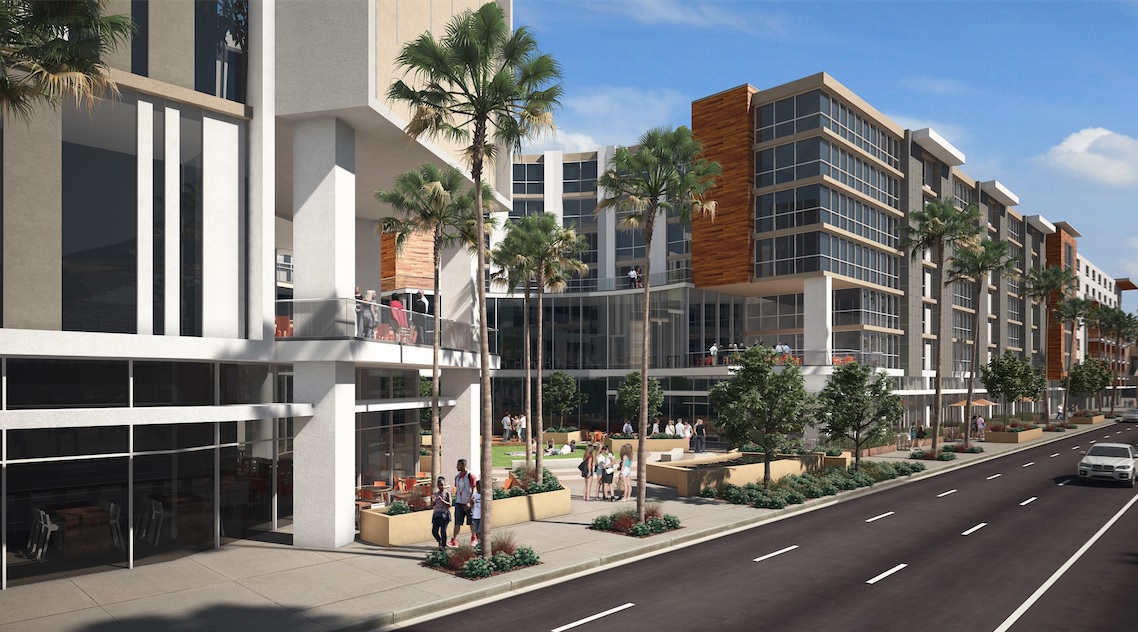
The evolution of residential living spaces often follows a distinct trajectory: from basic shelter to highly connected, technology-integrated environments. As residential expectations shift, property owners and managers find themselves managing a complex progression of infrastructure requirements that must balance current utility with long-term adaptability. The transition toward a more digitally centered living experience is not a singular upgrade but a phased process of planning, implementation, and ongoing management.
Assessing Connectivity Needs at the Onset of Development or Renovation
The initial stage of any infrastructure project begins with an evaluation of current capacity versus anticipated demand. In many residential developments, residents increasingly view reliable high-speed connectivity as a fundamental utility rather than an optional amenity. Early planning involves determining the scope of coverage required across various units and communal spaces, as well as the anticipated load on the network.
When property managers begin to explore options for bulk internet for apartments, they typically consider how a unified connection model might streamline service delivery for their residents. This approach often involves analyzing the current physical infrastructure to determine whether existing cabling is sufficient or if a comprehensive upgrade is necessary to support modern data throughput. Determining these requirements early helps prevent the need for disruptive retrofitting later, ensuring that the property remains attractive and functional for a broad range of residents who may work, learn, or manage their households from home.
Navigating the Transition to Integrated Communication Services
As a property moves from initial planning to active implementation, the focus shifts toward the technical realities of providing consistent service. This phase often involves coordination between property leadership and specialized service providers who understand the unique demands of high-density housing. The goal during this period is to establish a foundation that allows for equitable access and high performance across all dwelling units.
Property managers often find that addressing the need for fiber for multifamily housing requires a strategic look at how physical lines are distributed. Unlike single-family structures, multifamily environments often contend with significant signal interference, physical barriers, and the need for sophisticated routing to ensure every resident receives a stable connection. A common challenge during this transition is ensuring that the internal wiring can match the speed and stability offered by the external connection. During this stage, providers and managers often work together to test signal strength in various parts of the building, ensuring that even units located at the furthest points from the primary entry point maintain high-quality service.
Evaluating Performance and Adjusting Service Parameters
Once a connectivity solution is fully operational, the focus of management changes to monitoring and iterative adjustment. The digital landscape changes rapidly, and what serves a community well today may require updates to keep pace with new device trends or increased usage patterns. Residents often provide the best feedback regarding where the network is succeeding and where it may need improvement, such as in common areas where mobile device usage might fluctuate based on time of day.
It is common for managers to review performance reports to understand usage trends. For example, if connectivity in a common fitness room or study area becomes sluggish during peak evening hours, it may indicate a need for targeted enhancements or the addition of localized access points. Maintaining high-quality bulk internet for apartments is rarely a set-it-and-forget-it task; it requires a commitment to periodic check-ins. Asking providers about their remote monitoring capabilities and how they handle support requests can give property managers a clearer picture of how well the system will be maintained over time.
Sustaining Long-Term Value Through Proactive Infrastructure Upgrades
The final stage of this progression involves looking beyond the immediate needs of today to prepare for the requirements of the future. Sustainable infrastructure is built with modularity in mind, allowing components to be upgraded without replacing the entire system. This is a critical consideration when investing in fiber for multifamily housing, as the cabling itself often remains relevant for a long duration, even if the switching and routing equipment at either end requires periodic updates to handle faster speeds.
Sustainability also involves a commitment to maintenance and the ability to adapt to changes in how technology is consumed. As more devices become part of the average household, from climate control systems to security cameras, the total number of connected items continues to rise. A well-designed infrastructure plan anticipates this growth by ensuring that the bandwidth provided is not just sufficient for today’s laptops and tablets, but scalable for the growing ecosystem of smart home components. Property managers who prioritize this kind of foresight are better positioned to maintain high occupancy levels and keep the property competitive within the broader market.
The long-term success of any residential technology strategy depends on the ability to perceive connectivity as an evolving system. By viewing the provision of high-speed data as an ongoing relationship between the service provider, the property management team, and the residents themselves, property owners can ensure that their developments remain highly functional environments. The picture that emerges is one of constant, careful stewardship, where technology serves as a core component of the residential experience, supporting the needs of the community as they naturally evolve and expand over time.